

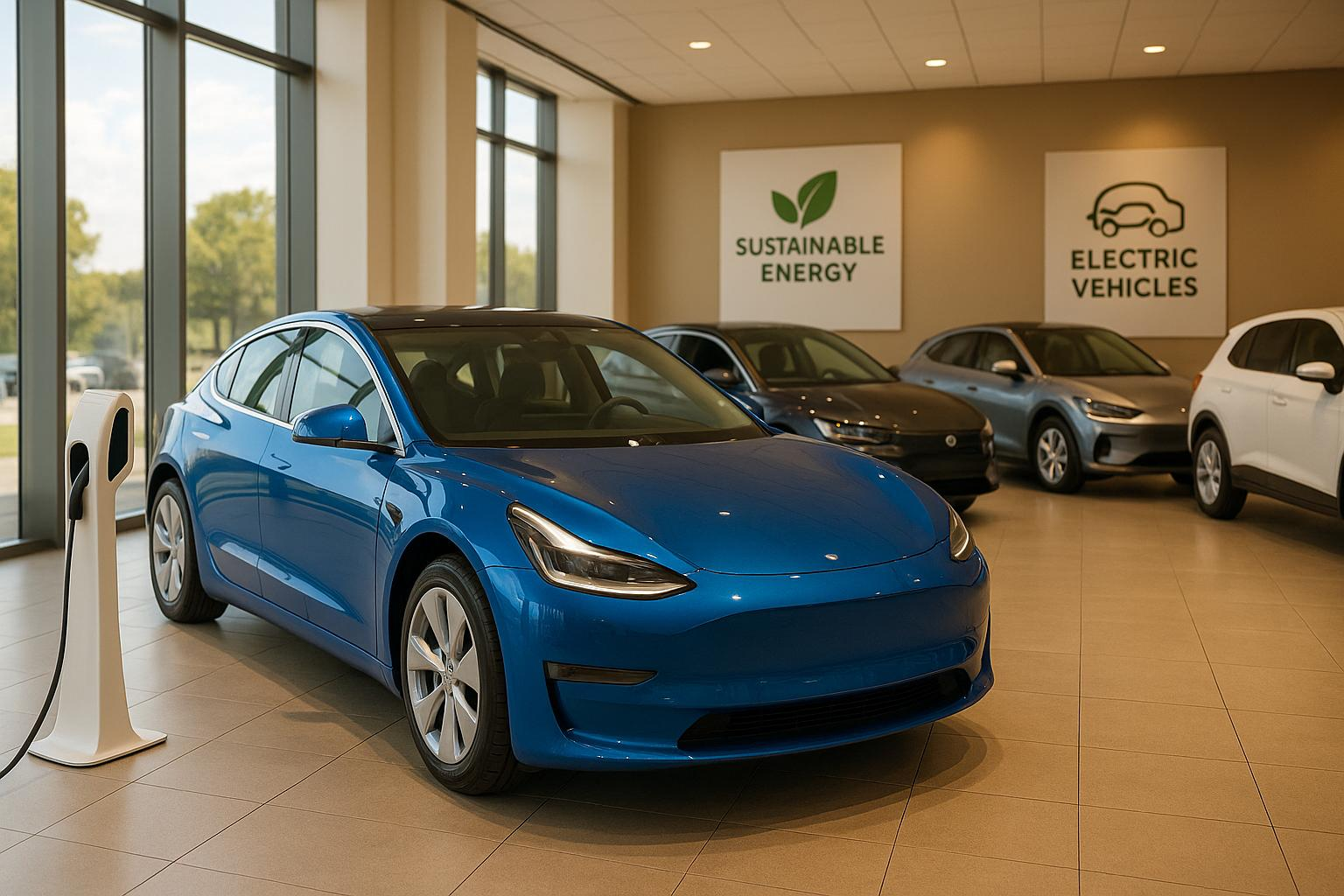
Nigeria’s car market is dominated by used vehicles, and that reality could shape how electric vehicles gain ground locally. Rising fuel costs and long-term savings are beginning to make EVs a serious consideration
Data from PwC shows that Nigeria operates largely as a used car market, with a ratio of one new car to every 134 used vehicles. This imbalance reflects the country’s low purchasing power and explains why most consumers rely on imported second-hand cars.
That same pattern is expected to influence how electric vehicles enter the market. Rather than brand-new EVs, adoption is likely to be driven by used imports from regions like Asia and North America, particularly China, where EV production is rapidly expanding.
Despite the high upfront cost of electric vehicles, recent cost comparisons suggest they may offer better value over time. A four-year ownership analysis comparing a used 2022 GAC Aion S electric vehicle with a 2014 or 2015 Toyota Camry running on petrol shows a significant cost gap. At an average of 100 kilometres driven daily under Lagos conditions, the EV delivers savings of nearly ₦8 million over four years, excluding maintenance costs.
For drivers covering longer distances, such as ride-hailing operators, the financial advantage becomes even more pronounced. Lower energy costs and reduced servicing needs, including the absence of oil changes and fewer engine-related repairs, further tilt the balance in favour of EVs.
However, infrastructure remains a major hurdle. Experts point out that widespread adoption will depend heavily on the availability of fast charging stations across key urban areas. Without reliable charging access, the practical benefits of EVs may remain out of reach for many users.
There is also a growing argument for policy support. Industry observers suggest that tax incentives on EV imports, as well as local manufacturing initiatives, could significantly reduce costs and encourage adoption. If large corporations begin integrating EVs into their fleets through structured purchase programmes, it could accelerate market acceptance.
Electricity supply challenges remain a concern, especially in a country where power reliability is inconsistent. Still, the rising cost of petrol continues to shift attention toward alternatives. For many, the appeal of EVs is becoming less about technology and more about cost stability and predictability.
image credit: EV24 Africa












Leave a comment