

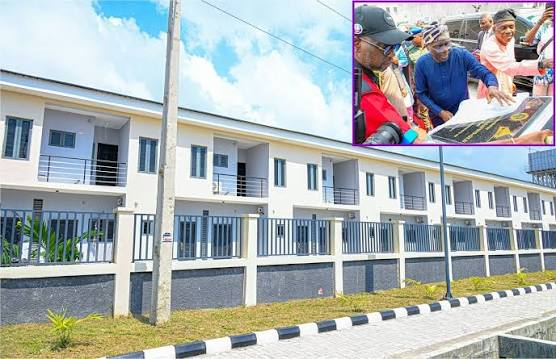
Nigeria’s housing deficit has become a major concern as political parties prepare for the 2027 general elections. Real estate experts are urging politicians to present more ambitious and measurable housing commitments.
The call comes amid growing concerns about the country’s housing shortage. Nigeria currently faces an estimated deficit of 28 million housing units. However, annual housing delivery remains far below the level required to address the problem.
Experts say the country needs a stronger housing development strategy. They also argue that election promises must reflect the scale of the crisis.
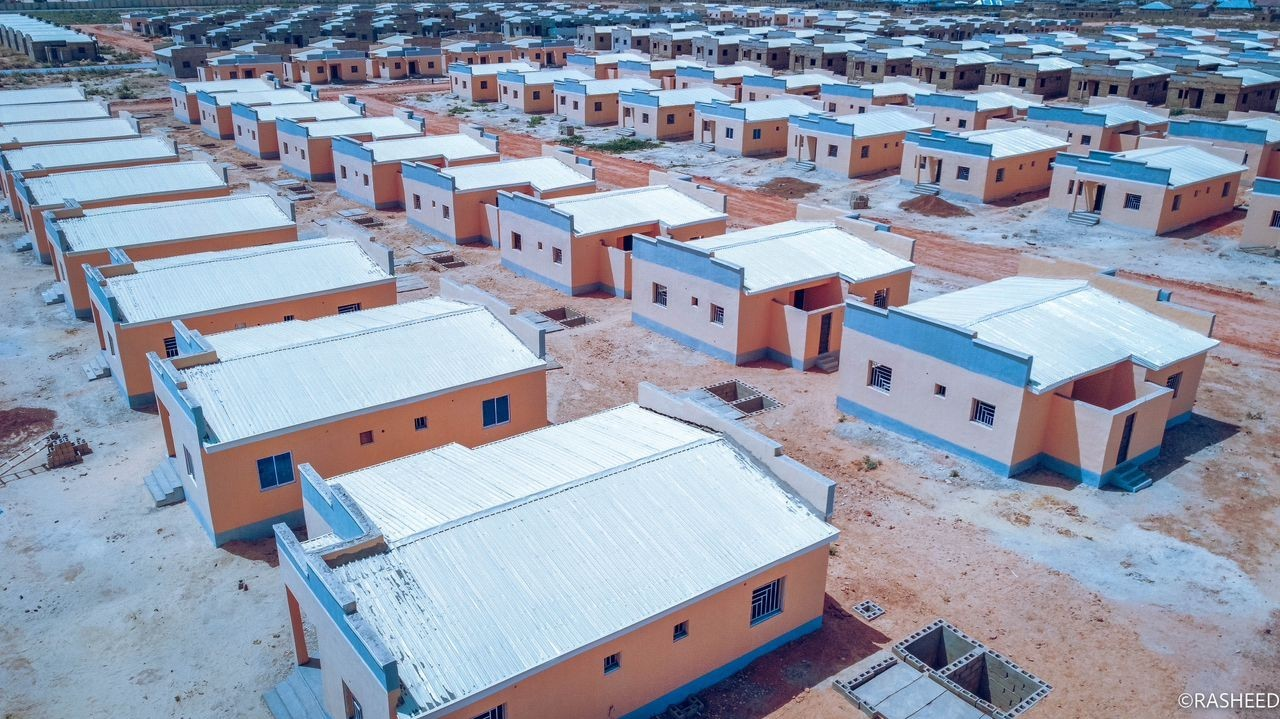
Their concerns have gained attention following Ethiopia’s announcement of plans to construct 1.5 million homes within five years. The development has renewed conversations about Nigeria’s housing performance and its capacity to deliver affordable homes.
Nigeria Needs More Than One Million Homes Annually
Nigeria’s housing shortage requires urgent and sustained government intervention. Estimates indicate that the country needs approximately 700,000 new housing units annually for the next decade.
However, current construction figures tell a different story. Nigeria produces slightly more than 50,000 housing units annually.
This significant gap raises questions about the effectiveness of existing housing policies. It also highlights the difference between political promises and actual housing delivery.
According to experts, Nigeria needs to construct more than one million homes annually to keep pace with population growth. Yet, commitments from political parties ahead of the 2027 general elections remain below the country’s actual requirements.
The experts made these observations during an Arise News programme. The discussion examined housing proposals from leading political parties ahead of the presidential elections.
The programme reviewed the positions of the All Progressives Congress (APC), Social Democratic Party (SDP), and Allied People’s Movement (APM).
Their presidential candidates include Bola Tinubu, Adewale Adebayo, and Seyi Makinde, respectively.
The discussion focused on whether their housing proposals could address Nigeria’s growing demand. Experts stressed that the country needs clear targets, practical policies and consistent implementation.
Ethiopia’s 1.5 Million Housing Plan Raises Questions
Ethiopia has drawn attention across Africa with its latest housing development target.
Prime Minister Abiy Ahmed announced plans to construct 1.5 million homes over five years. He said the programme would build on previous housing delivery efforts.
Ahmed also described access to decent and affordable housing as a government responsibility.
The announcement has encouraged fresh comparisons between Ethiopia and Nigeria. Both countries face housing pressures, although their population sizes and development needs differ.
Nigeria has a larger population and continues to experience rapid urbanisation. Rising construction costs and inadequate housing supply also make the situation more difficult.
Comfort Olugbami, founder and managing director of 1159 Realty, described Ethiopia’s target as ambitious but achievable.
She referenced the country’s reported delivery of 1.2 million homes under an earlier housing programme. According to her, the achievement shows what sustained investment can accomplish.
Olugbami said Ethiopia’s progress should encourage Nigeria to reconsider its housing ambitions.
Seeing this happen in Africa gives Nigeria so much reason to look towards greater numbers, she said.
However, Tunde Balogun, founder and chief executive officer of Small Small, urged caution when comparing the two countries.
He argued that Ethiopia’s proposed target must reflect its population growth and actual housing requirements.
Balogun acknowledged that Ethiopia still faces a housing shortfall. Nevertheless, he believes the country has made progress compared with Nigeria.
Even though they are still below what is expected of them because of their population growth, they are on the right track. Nigeria, called the giant of Africa, is even further behind them, he said.
Ayo Ibaru, chief investment officer at Panterra, also questioned whether Ethiopia’s announcement fully addresses its housing needs.
He estimated that Ethiopia would need between 450,000 and 500,000 homes annually. Therefore, he said observers should assess the proposed programme against the country’s actual demand.
Affordability Remains Nigeria’s Biggest Housing Challenge
Beyond the number of houses Nigeria constructs, affordability remains a major concern.
Building more homes will not automatically solve the housing crisis. Ordinary Nigerians must also have the financial capacity to rent or purchase those properties.
The national minimum wage currently stands at ₦70,000. Under the conventional housing affordability benchmark, households should spend no more than 30 percent of their monthly income on housing.
This means a minimum-wage earner should spend approximately ₦21,000 monthly on accommodation.
However, prevailing rental prices make this difficult for many low-income households. Available mortgage arrangements also fail to reflect the financial realities of ordinary workers.
Olugbami highlighted this challenge during the discussion. She argued that affordable housing remains largely inaccessible to people on low incomes.
According to her, property developers cannot solve the problem without meaningful government intervention. Improvements in household incomes must also form part of the solution.
This suggests that Nigeria’s housing strategy must address more than construction figures. Policymakers must also consider financing, income levels and the cost of building materials.
Furthermore, government policies should encourage developers to deliver homes that match the purchasing power of ordinary citizens.
Experts Want Measurable Housing Commitments From Politicians
As the 2027 general elections approach, experts want political parties to move beyond broad housing promises.
They believe candidates should present realistic delivery targets and explain how they intend to achieve them.
Nigeria’s estimated 28 million-unit housing deficit requires long-term planning. It also demands stronger collaboration between government and private developers.
In addition, housing policies must address the barriers that discourage large-scale development. These include rising construction costs, limited financing and affordability challenges.
Ethiopia’s housing announcement provides another opportunity for Nigeria to examine its approach. However, experts say the country must consider its population and specific housing needs when setting targets.
Ultimately, Nigeria needs a housing programme that combines large-scale construction with accessible financing. It must also ensure that completed homes serve the people who need them most.
Nigeria’s housing deficit requires urgent attention as political parties prepare for the 2027 elections.
Experts believe politicians must offer more ambitious commitments backed by practical implementation plans. Ethiopia’s 1.5 million-home target has further highlighted the need for stronger housing policies across Africa.
However, Nigeria’s success should not depend on construction figures alone. The government must also make housing affordable for low-income earners.
Without effective financing, better planning and improved household incomes, millions of Nigerians may continue to struggle to access decent accommodation.








Leave a comment