

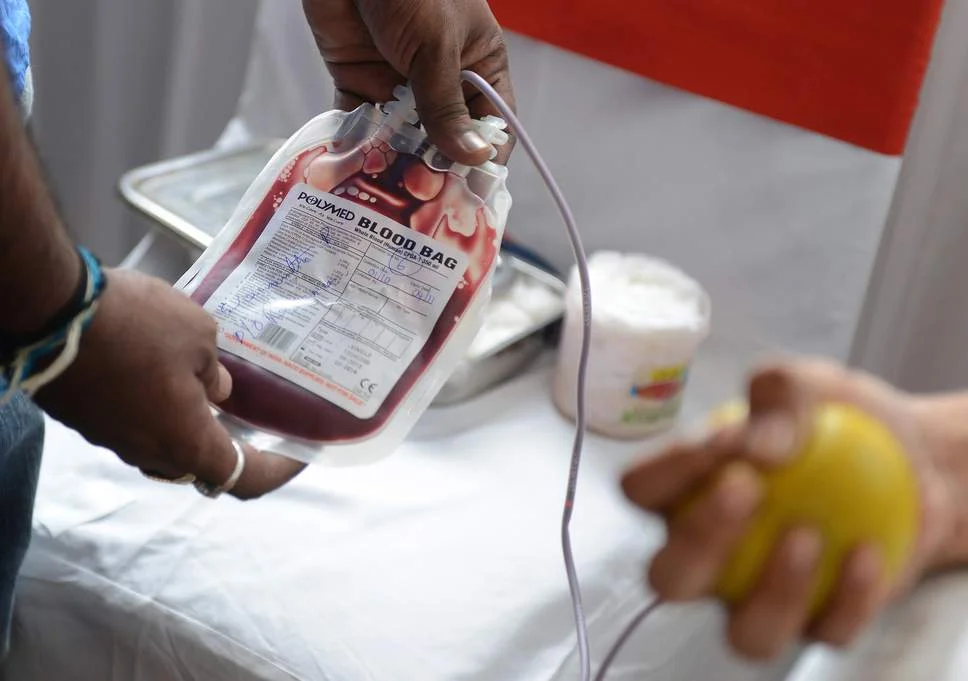
The international health authority has launched a massive global drive to improve emergency medical reserves. Moving far beyond ordinary hospital circles, the organization is working hard to inspire regular people to help. Consequently, the big news that the WHO unveils blood campaign slogans for the year has energized public health workers. The global agency officially announced the new theme to mark the annual donor week. Truly, this timely movement aims to build deep public awareness about the constant need for safe and free blood transfers.
Domestic Teams Launch Local Drives
The new global message is already shaping major health policies within our local clinics. For instance, the National Blood Service Agency in Abuja has adopted the fresh theme to build stronger domestic safety nets. The Director-General of the local body, Prof. Saleh Yuguda, shared these key goals during a media brief. He explained that as the WHO unveils blood campaign slogans, Nigeria must use the moment to grow its own pools of unpaid donors. Therefore, the state is rolling out massive mobile screening booths across various city centers to make giving easy.
Shifting the Focus to Grassroots Communities
Furthermore, the domestic health agency is taking its advocacy campaigns directly to rural communities. They want to work with traditional rulers, youth leaders, and faith-based groups to spread the word. This grassroots strategy will help clear away old myths and false fears that keep people from sharing their blood. For example, clinical data shows that one single donation can save up to three separate lives in an emergency. By building a sustainable pool of local givers, the nation can easily manage sudden accident cases and childbirth complications.
Demanding More State Health Funding
In addition, the medical leaders are calling on the federal government to invest more cash in storage infrastructure. Maintaining premium blood banks requires stable electricity, high-tech cooling systems, and modern testing kits to keep supplies safe from infections. The agency wants development partners to help buy advanced processing machines for regional centers. They believe that regular public support is the safest way to avoid critical shortages during major health crises. Ultimately, this joint push shows that a safe medical system depends deeply on the kind hearts of ordinary citizens.










Leave a comment